



Unfortunately, CPAP mask skin irritation and pressure sores are amongst the most commonly reported side effects of CPAP therapy. The mask pinches, digs in, and chafes – leaving you tempted to rip off your CPAP mask and never put it back on again. Read on to find out what’s causing your skin problems and, more importantly, what you can do about them.
CPAP mask skin irritation almost always presents as small red spots or patches of redness. In these cases, the skin is either reacting to contact with a particular substance or is being irritated by friction and movement. With pressure sores, the redness is accompanied by a visible indentation left in the skin.
The CPAP Mask Type Can Make All the Difference
Depending on which type of CPAP mask you wear, redness or pressure sores can appear in different areas of your face. Your sleeping position also plays a significant role here.
Full face masks frequently press against the bridge of the nose, often leaving their mark by the following morning. CPAP mask skin irritation can generally develop all around the mask cushion in the nasal and mouth area – depending on where your skin is most sensitive.

As its name suggests, a nasal mask covers only the nose. The surface area in contact with your skin is therefore smaller, which may already resolve the problem if your skin irritation is limited to the mouth area

So-called nasal pillow masks have even less contact with the skin, as they only touch the lower part of the nose – primarily the nostrils. The same applies to minimal-contact masks, which cover only the tip of the nose and nostrils.

Nasal masks and nasal pillow masks could therefore be the solution to your problem, or at the very least help to minimise it. Unfortunately, neither of these mask types is suitable for all CPAP users. Those who breathe through their mouths at night, or who suffer from restricted nasal breathing, will need to use a full face mask.
Further Causes of CPAP Mask Skin Irritation and Pressure Sores
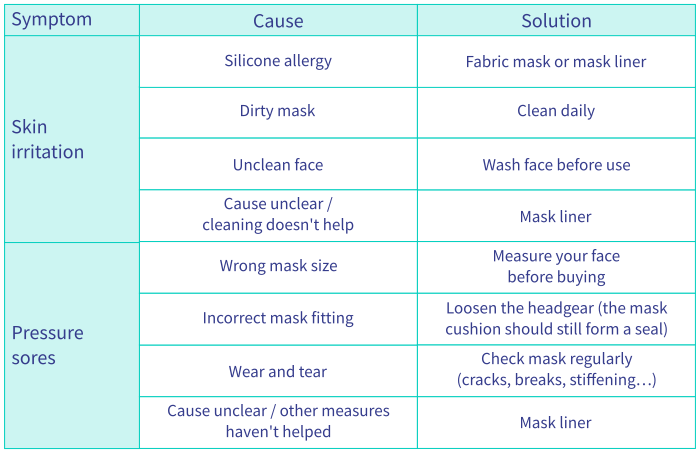
There are a number of different reasons why CPAP mask skin irritation can develop. It is relatively uncommon, but some CPAP users are allergic to the silicone used in mask cushions. To rule out an allergic reaction with certainty, it is worth consulting your GP or a healthcare professional.
Not only a dirty mask, but also an unclean face can contribute to the problem. If sweat, oil, or dirt is present on your face or your mask, the mask can shift and slide around during the night. This friction can irritate the skin and cause a rash.
Pressure sores, on the other hand, tend to arise for different reasons. A common culprit is an incorrectly sized mask, which may also slip around on the skin. Another cause could be that the mask has not been fitted correctly – the headgear is often too tight, pressing firmly against the face.
General wear and tear can also lead to problems over time. In particular, cracked or dirty mask cushions are a frequent source of both pressure sores and redness.
Helpful Tips for Relieving CPAP Mask Skin Irritation
Once you’ve identified what’s causing your discomfort, you can get to work tackling the root of the problem. Here is how to treat your CPAP pressure sores and skin irritation:
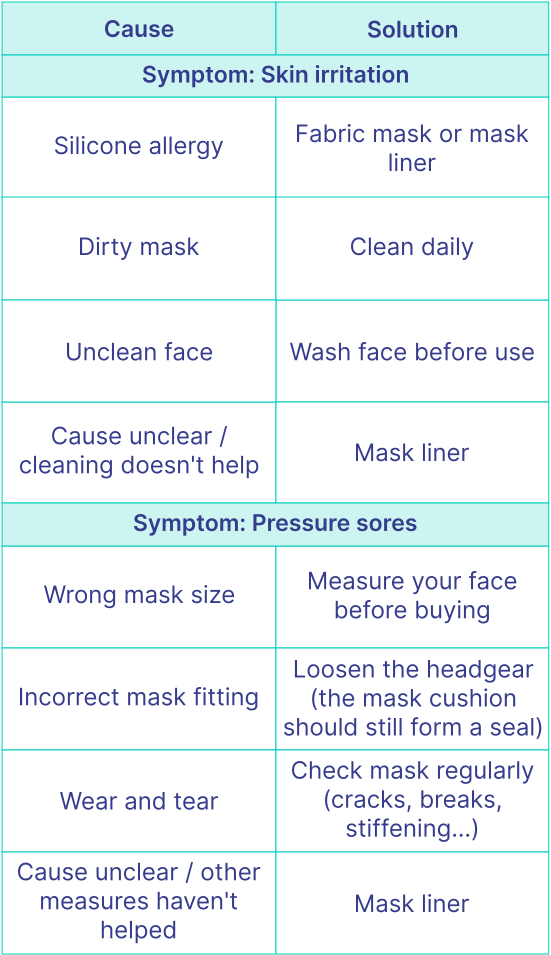
- If it turns out that you do have a silicone allergy – which is rare – you should choose a mask made from a different material. In this case, the mask cushion would be made from fabric – usually fleece – rather than silicone. This material is breathable and far more comfortable to wear against the skin (e.g. the AirTouch mask series from ResMed).
- To keep your mask free from oils, sweat, and other substances, make sure you clean it every day. CPAP cleaning wipes make this a quick job – just a few minutes each day is all it takes. Your face should also be clean before putting your mask on. It’s best to avoid heavy night creams or lotions on the areas where the mask comes into contact with your skin. Our in-depth article “Best Ways to Clean Your CPAP Mask and Machine” explains the best way to keep your CPAP mask in top condition.
- To prevent uncomfortable pressure sores, always measure your face carefully before purchasing a mask. Many manufacturers and CPAP mask retailers provide size guides to help with this. If you’re confident you have the right size but are still experiencing problems, the mask may simply not be fitted correctly. Manufacturers, retailers, and a wealth of online resources offer step-by-step instructions and video guides to help you adjust your mask properly.
- If you’ve been using your mask for a while, it’s worth checking it regularly for signs of wear and tear. For virtually all CPAP masks, individual replacement parts can be ordered separately, so there’s no need to replace the entire mask.
- For both CPAP mask skin irritation and pressure sores, mask liners can offer excellent protection. Commercially available mask liners are made from cotton or a cotton blend, and they cover the silicone parts of the mask cushion to create a soft, thin fabric barrier between the mask and your skin – without obstructing your breathing in any way. Redness and pressure sores can be significantly reduced, or even prevented altogether. You can also cut your own mask liner from chamois leather – download the template her
To help redness clear up quickly, soothing creams such as Bepanthen can calm the skin and speed up healing. If the rash does not clear up within a few days, however, you should seek advice from a healthcare professional.

This unique CPAP mask test compares the most popular masks on the market
The most important purchasing criterion for mask wearers; comfort, freedom of movement and far more, coherently summarised especially for you.

What type of water for your CPAP humidifier?
Do I really need to use expensive speciality water?” This is one of the most frequent questions from our customers about CPAP humidifiers. The good news: No, you don’t.

What to Do When Your CPAP Mask Causes Anxiety?
What should you do if your CPAP mask scares you? Here are some tips to help you get used to CPAP.

Managing Director
Hannes Wakonig comes out of the Marketing and Finance branch and has previously worked in the field of medical technology. He is the co-founder and managing director of SomniShop (health.On Ventures GmbH) and AescuBrands.


 Welcome to SomniShop