



CPAP works – but not without side effects. The good news is that most CPAP side effects can be effectively managed once you understand what’s causing them. In this article, we’ll look at which side effects commonly occur with CPAP therapy, why they happen, and what really helps in day-to-day life.
Whether you’re just starting out with therapy or you’ve been using a CPAP machine for a while – here you’ll find practical solutions for typical complaints during CPAP treatment.
CPAP Therapy: Why Do Side Effects Occur?
CPAP therapy (Continuous Positive Airway Pressure) is used primarily to treat sleep apnoea. A continuous positive pressure keeps the airways open during sleep, preventing breathing interruptions throughout the night.
However, this very pressure can – particularly during the adjustment period – lead to discomfort. Common CPAP side effects include:
- Gastrointestinal issues (bloating and trapped wind)
- Dry mucous membranes
- Mask leaks
- Skin irritation
Let’s take a closer look at each of these common CPAP side effects in detail.
1. Bloating and Trapped Wind

One of the most common side effects of using a CPAP machine is bloating and trapped wind. Those affected often wake in the morning with:
- A feeling of pressure in the abdomen
- Bloating or a sensation of fullness
- Increased belching
Why does this happen?
Some of the pressurised air doesn’t reach the airways but instead travels down the oesophagus and into the stomach.
Common causes:
- The CPAP pressure is too high or rises unnecessarily during the night
- With positional sleep apnoea, significantly more pressure is needed when sleeping on the back than on the side – because the base of the tongue falls back into the throat due to gravity
- Some mask types direct air in an unfavourable way
What really helps:
✅ Have your pressure settings reviewed – always in consultation with your doctor
✅ Favour sleeping on your side, particularly with positional sleep apnoea
✅ Activate your device’s exhalation relief function (EPR/Flex)
✅ Use an Auto-CPAP device that only delivers the minimum pressure required
A side effect that often accompanies swallowing air is dry mouth.
2. Dry Mouth
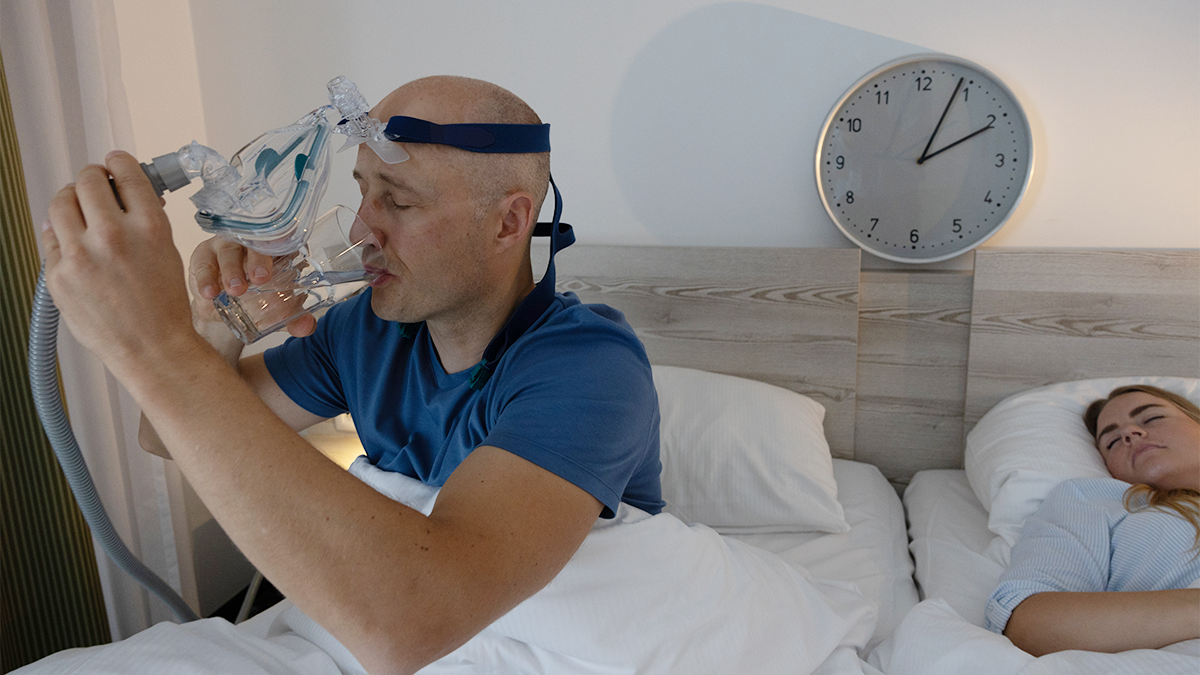
Dry mouth is one of the most frequently reported CPAP side effects. It tends to occur when:
- The mouth falls open unconsciously during the night
- Mask leaks are present
- The inhaled air is too dry
Potential consequences:
- Sore throat
- Small cracks in the mucous membranes
- Disrupted sleep
Effective solutions:
✅ Reduce leaks
If you use a nasal mask, the following may help:
- A lip seal such as oxyhero CPAP pro
- Switching to a full-face mask (though in practice this isn’t always the most comfortable option)
✅ Optimise humidification
A heated humidifier prevents the mucous membranes from drying out. It works particularly well in combination with a heated hose or an insulating hose cover, both of which help prevent condensation forming inside the hose.
✅ Adhesive tablets for dry mouth
Adhesive tablets are one of the best remedies for dry mouth in CPAP users. Placed against the teeth or gums before bedtime, they stimulate saliva production for several hours – with no risk of accidentally swallowing them. Many users report sleeping through the night without a dry mouth for the first time after using them.
But it’s not only the mucous membranes that can be sensitive – the fit of your mask plays an equally important role.
3. Mask Leaks
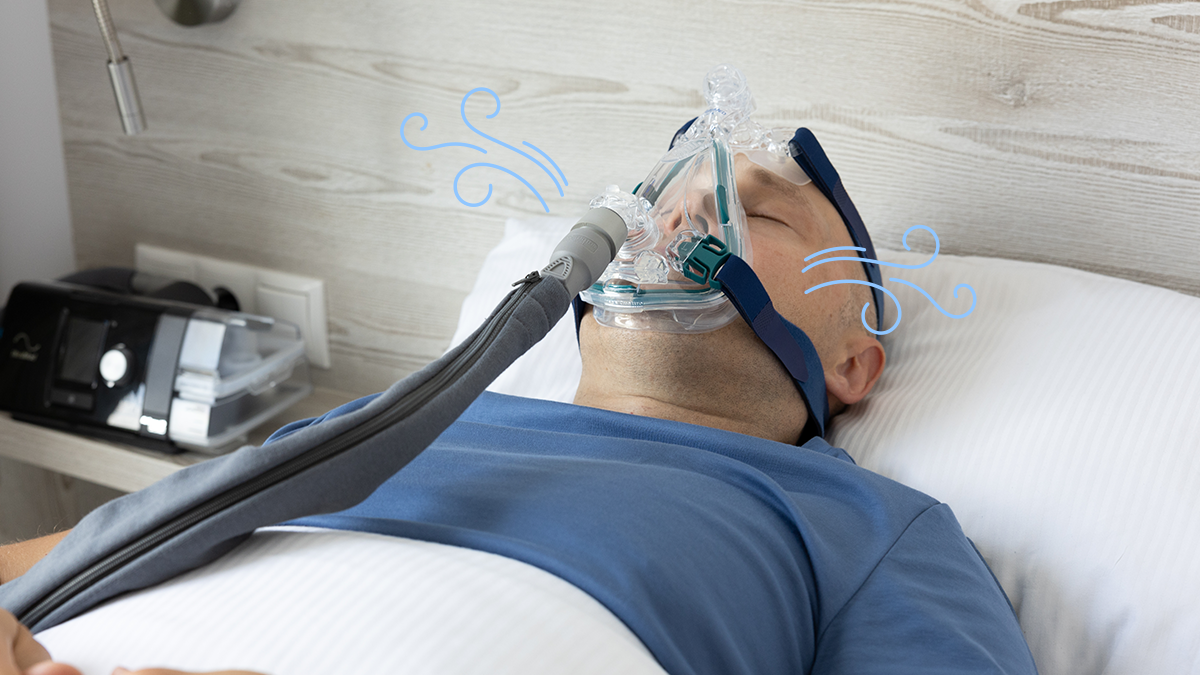
Mask leaks are amongst the most common CPAP mask-related side effects, particularly at the start of therapy.
Even small leaks can:
- Blow air onto your face and sometimes directly into your eyes
- Create distracting noise
- Reduce the therapeutic pressure
- Disturb your sleep
Typical causes:
- The mask doesn’t suit the shape of your face
- The straps are pulled too tight
- The mask cushion is the wrong size
- The mask shifts when you change position during the night
What helps:
✅ Fit the mask snugly but not too tightly
✅ Fine-tune the straps over several nights rather than all at once
✅ Aim for roughly one finger’s width of space between the headgear and your skin
✅ Use soft padding or adhesive strips
A well-fitting mask not only reduces leaks but also helps to prevent skin problems.
4. Skin Irritation and Pressure Marks
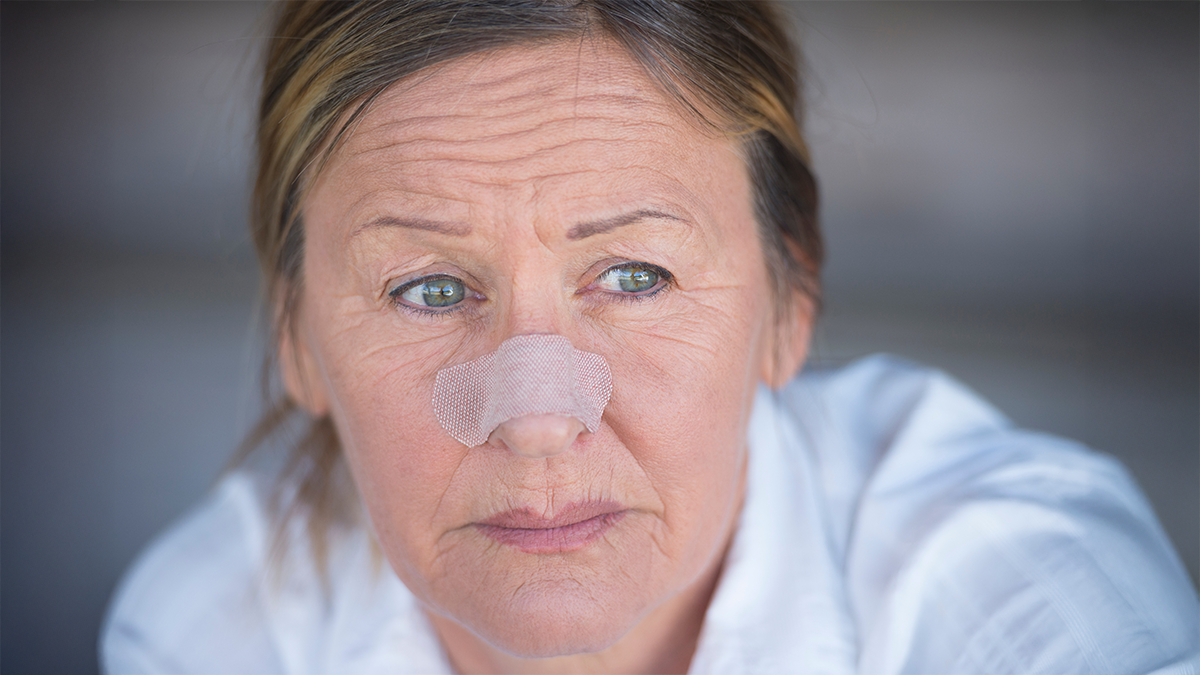
Particularly in the early stages of CPAP therapy, skin can become sensitive.
Mild redness or pressure marks are quite normal to begin with – your skin simply needs time to adjust to the material and the pressure of the mask.
What you can do:
✅ Check the headgear – don’t pull the straps too tight
✅ Clean your mask regularly
✅ Use soft mask liners (which can even be made from fabric at home)
✅ If problems persist, try a different mask model or style
In most cases, skin issues resolve on their own once the initial adjustment period is over.
Summary: CPAP Side Effects Are Usually Manageable
Yes – side effects from CPAP therapy do occur. But the vast majority of complaints only arise at the start of treatment and can be significantly reduced with a few simple adjustments.
The key things to bear in mind are to have your pressure settings checked regularly, to optimise the fit of your mask, to adjust your humidification settings to suit your individual needs, and above all to be patient – adjustment takes time.
CPAP therapy remains one of the most effective treatments available for sleep apnoea. When CPAP side effects are identified early and addressed properly, there’s nothing standing between you and a successful, truly restful night’s sleep.
To make the experience as comfortable as possible, there is now a wide range of CPAP comfort products on the market. With the right accessories, sleep quality can be improved quickly and reliably.
How a respiratory humidifier for a CPAP machine can make your therapy easier
A humidifier makes treatment easier for many patients. Read on to find out how it works and what you need to know about it.

Dr. Daniel Grätz is the Managing Director of health.On Ventures GmbH, one of Germany’s leading online providers of snoring mouth guards, and has been providing customers with advice about these devices for many years.


 Welcome to SomniShop